“The forces of evolution act upon a man’s tools as well as upon man himself “
A.C. Littleton (1926, P.12)
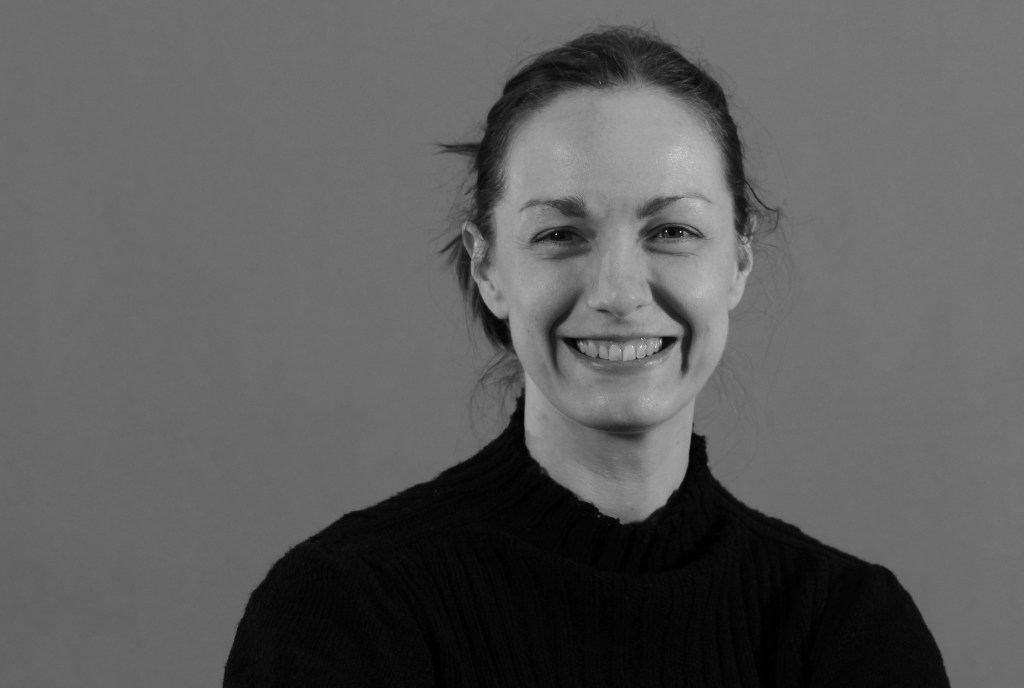
Welcome to the tale of an Accounting Academic who transformed into an Accounting Technologist, Accounting Historian, Accounting Anthropologist and a pretty decent knitter…
Dr. Lesley Niezynski is an early career interdisciplinary accounting researcher specialising in accounting technology, history and humanity. Lesley’s research centres on the interconnectivity between accounting, humanity, and technology.
Lesley has recently completed her PhD, a project centred upon the interconnectivity between humanity, accounting and technology through a study of Maritime Technology, Accounting and Merchants in Early Modern England.
Prior to accounting, Lesley’s interest in boundary blurring, human-centric research formed in her studies in Architecture, with studies in the interconnectivity of Architecture, Fashion, and Health.
What is she up to right at this very moment? Find out here.
I’m now on Substack! Find me at https://accountingforhumanity.substack.com/
-
Sheep on the Beach: Right Person, Wrong Conference
June has been a fast moving month, while 1 week was a much-needed holiday, it was immediately followed by a conference (and by immediately I mean I travelled from Croatia to Edinburgh to Norwich in one very long day).
JIAR 10th Annual Conference @ the University of East Anglia
I had been looking forward to the JIAR conference as, in my own mind at least, it was going to be another opportunity to present my PhD thesis. I applied to attend the Doctoral Colloquium months prior and my PowerPoint was prepared and ready to go. What I had not prepared for however, was the reality that there would be no presentations at the event, the colloquium…
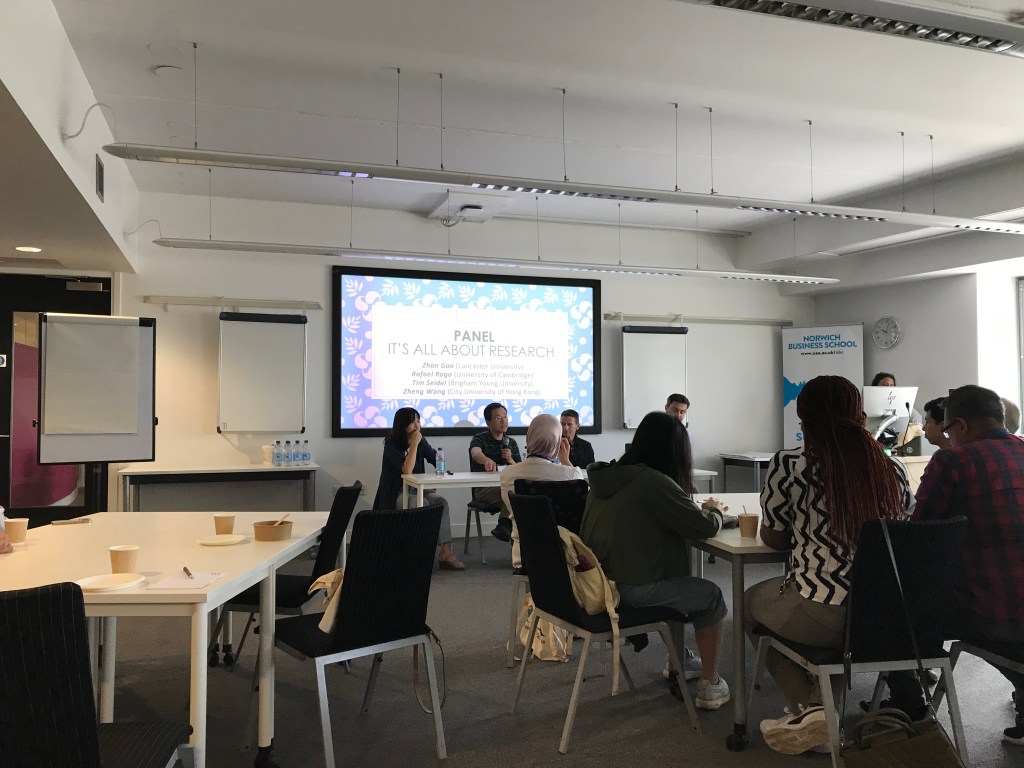
The event was one of sharing information and advice regarding PhD/early career development which was very useful however the day was tinged with disappointment that my presentation would go unheard. In defence of the organisers, they never communicated that attendees would be presenting, I just (unwisely) assumed this was the case as had to submit an abstract/application to attend. Thus, from the beginning an important lesson (that would carry through the entire conference) was learned; ALWAYS research what a conference and its focus is about.
As noted, the colloquium was still very useful, the only downfall being breakout sessions with all groups being in the same room, this arrangement left myself and my auditory processing disorder unable to figure out most of what anyone was saying…
When the Realisation hits…
What I could determine in the breakout sessions however, was that everyone seemed to be from quantitative research backgrounds. While there is nothing wrong with this (each to their own applies to research too), as a qualitative research I quickly felt very out of place. Moving into the main conference my quantitative dread became fully realised upon discovering that all of the presentations were also quantitatively-based and thus, I found myself surrounded by all statistics and no critical theory.
I should note that this is not my saying that the conference or its content was bad, on the contrary, for a quantitative researcher this would be a fantastic event. What I am emphasising is that this was not a bad conference, it was just the wrong conference for me. As a young (as in early stage) researcher, I gain more from submersing myself in similar research types and fields, I can still learn much from counter methods however, it is not information that will see me improving how I research, draft and present my thesis. I certainly believe that later in my career I can benefit from expanding my research horizons but, right now, over-filling my mind does more harm than good.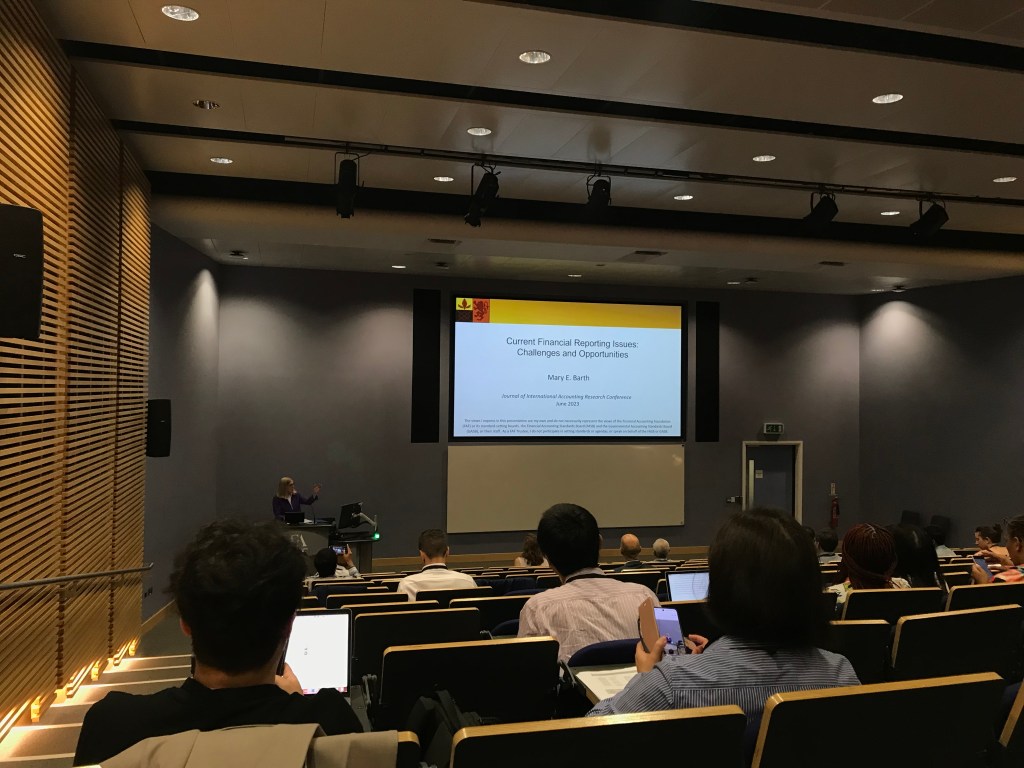
Making the most of Misguided Decisions
Now while the conference was not exactly the right place for my history-bounding self, my geographical location did offer many an opportunity…
I admittedly have not seen much of the UK and thus, attending conferences does provide the opportunity to explore my home nation and on this occasion, the results did turn out to help my PhD research.
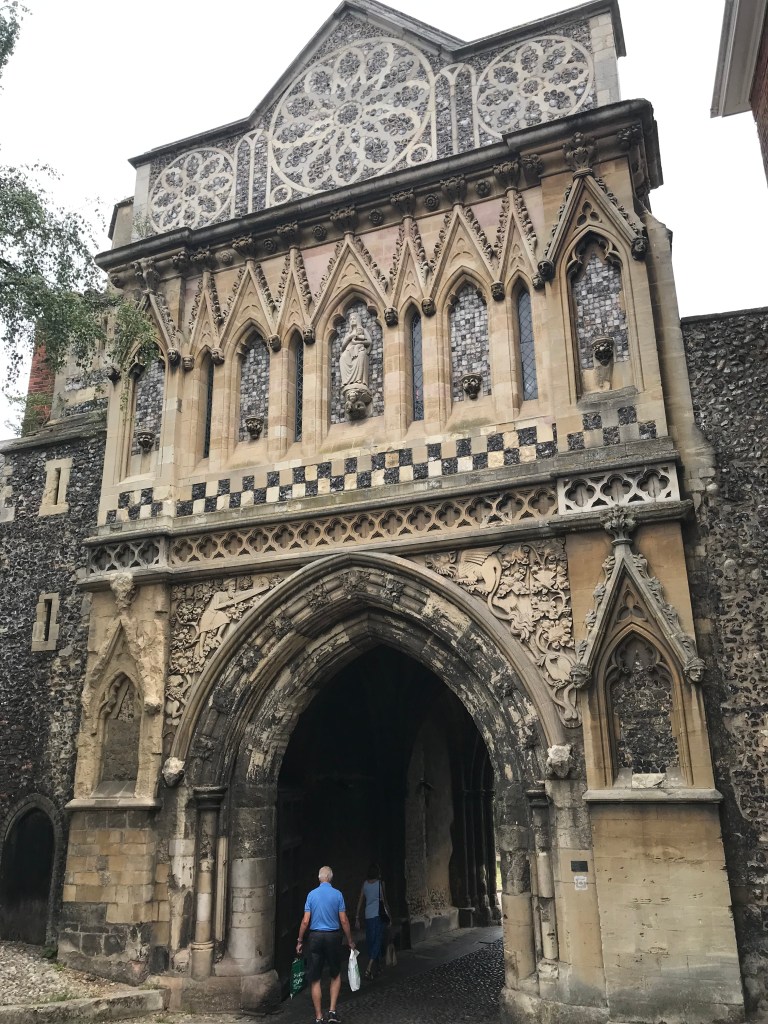
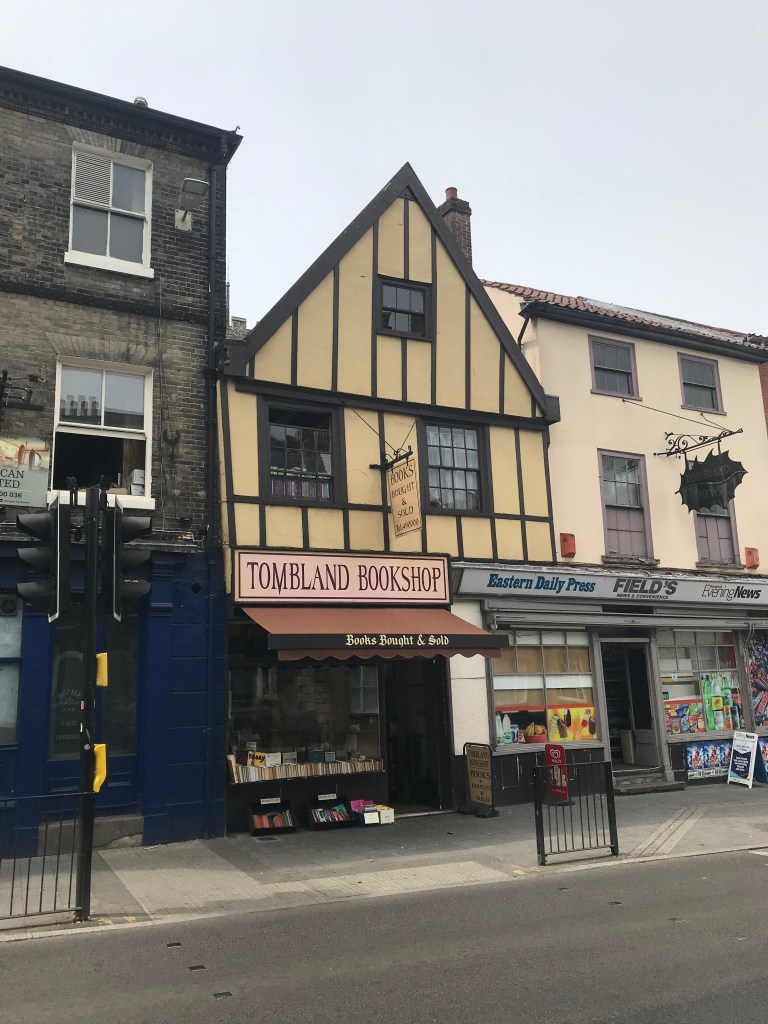
Wherever I find myself, my first port of call is always to find the local museums and in Norwich I had two; The Castle Museum and the Museum at the Bridewell. the former as luck would have it, was hosting The Last Voyage of the Gloucester: Norfolk’s Royal Shipwreck 1682, an exhibition displaying the current discoveries salvaged from the over 300 year old shipwreck. With my period of focus being 1500-1700, and exploring merchant shipping, this exhibition provided a useful ‘frozen in time’ glimpse into society and life of the time (or at least, a small part of the society). The Bridewell museum further assisted with displays of all aspects of Norwich life. The city’s final gift (except from bubble tea of course) was found in Tombland Books. I left Norwich with 2 further secondary data sources to read through.
The lessons learned…
The first would be, where possible, research to find out what kind of conference you are signing up for (and if it is not clear, ask if you can/are presenting). As follow-up, another lesson is that it might not always be possible to find this out, and you will only discover that the event is not quite relevant for you until you arrive. The thing to remember/realise here though that all is not lost. Whether entirely relevant or not, you can and will always leave having learned something useful.
Second, when you find yourself at the wrong conference, there may be opportunity outside the venue walls. Maybe there is a university/department/individual based in the area that is relevant and you could reach out to? Maybe there is a a library, museum, local business/organisation where you can pick up some extra information or data sources? Or finally, maybe this is a chance to take the briefest of mental breaks and explore a new place (assuming it is safe/feasible to do so).
While I did not leave with my notebook bursting with new insights, I gained some very useful pieces of advice and I thoroughly enjoyed my adventure through Norwich…
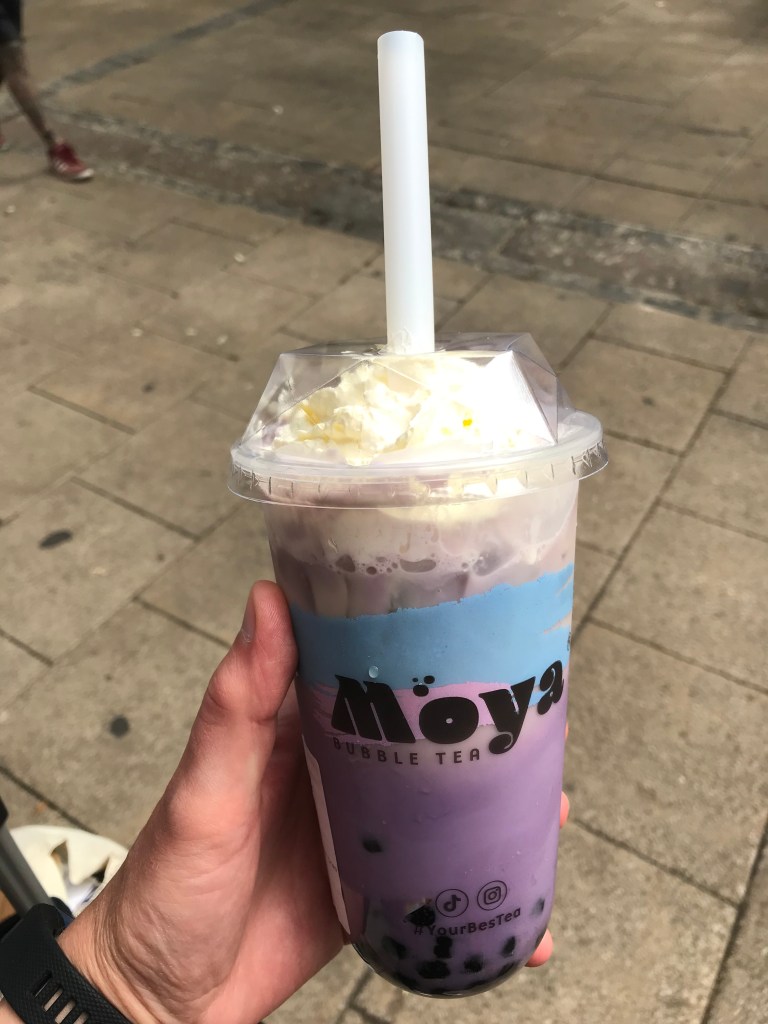
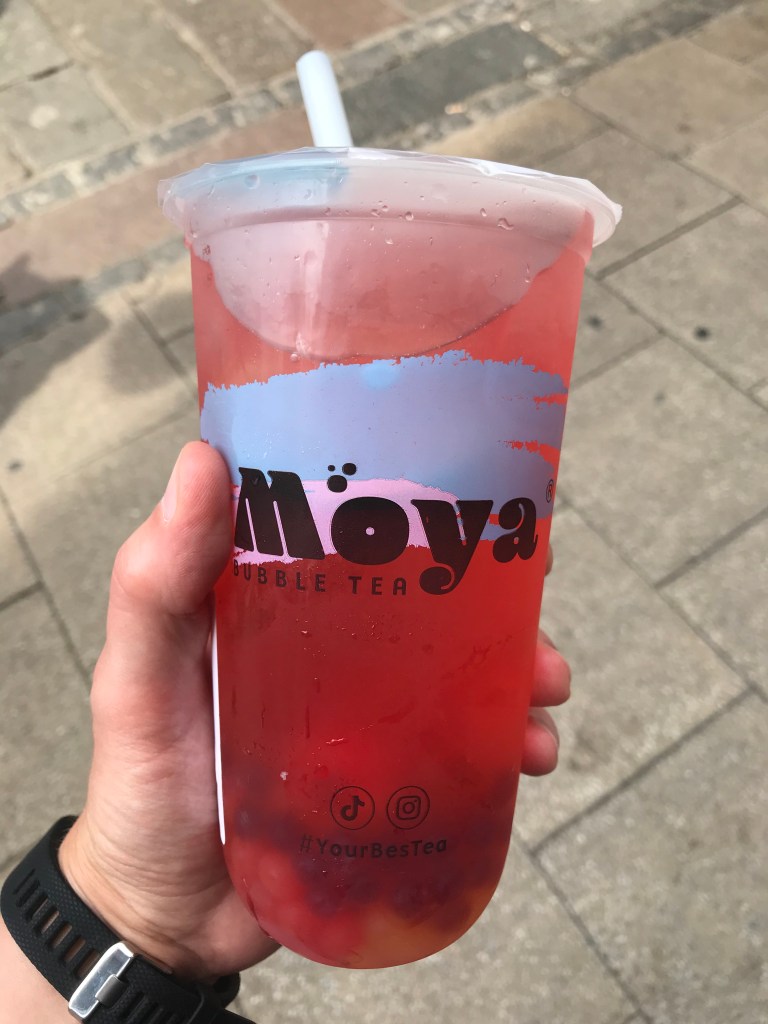
Places of Note: Aside from the Museums & Bookshops, I was thrilled to find a Bird and Blend Tea store and discover the joy of Bubble Tea courtesy of Moya
-
Reflecting on life’s great (accounting) mysteries: Interdisciplinary Research
Last week I took some time out of some all-consuming writing (also why there was no post last week) to take part in the first of a new series of Research Roundtable sessions (follow the link to find out more should accounting research discussions be your forte).
The first session looked at ‘Broadening the boundaries of accounting: a call for interdisciplinarity in the calculative era’ by Erin Twyford and Roba Abbas, a paper discussing interdisciplinary research in accounting. Both the paper and the preceding discussions unearthed some fascinating areas for future research and reflection but for myself, two main questions peaked my pondering; “What is interdisciplinary Research?” and “What is Accounting?”
What is interdisciplinary Research?
Thinking of the immediate/general response/definition; we would call interdisciplinary the spanning of two or more individual disciplines; but, what does this actually mean? Must we have knowledge of all the disciplines, must we include expertise from each discipline or is the merging of various facets of multiple disciplines? In our discussion all of the above occurred and perhaps none were incorrect. For myself, interdisciplinary is a type of nomadic research, truly the interdisciplinary researcher is an explorer, they are a mind unbound, there are no borders, no home, no end, only the thought of what lies beyond. This is not a simple path as, the previous highlights, the nomad belongs everywhere and nowhere, it is a DNA comprised of portions from a worldly discipline, dare I say, the if Tim Burton characters were researchers, they would be interdisciplinary researchers.
While a sense of belonging is difficult, it is there comfort found among fellow research oddities, a family of those who enjoy floating among the shifting tides of knowledge, where washing ashore on one island is never enough, not when there are other shores out there. Does this answer the question though or, does this simply tell us who might become an interdisciplinary researcher?
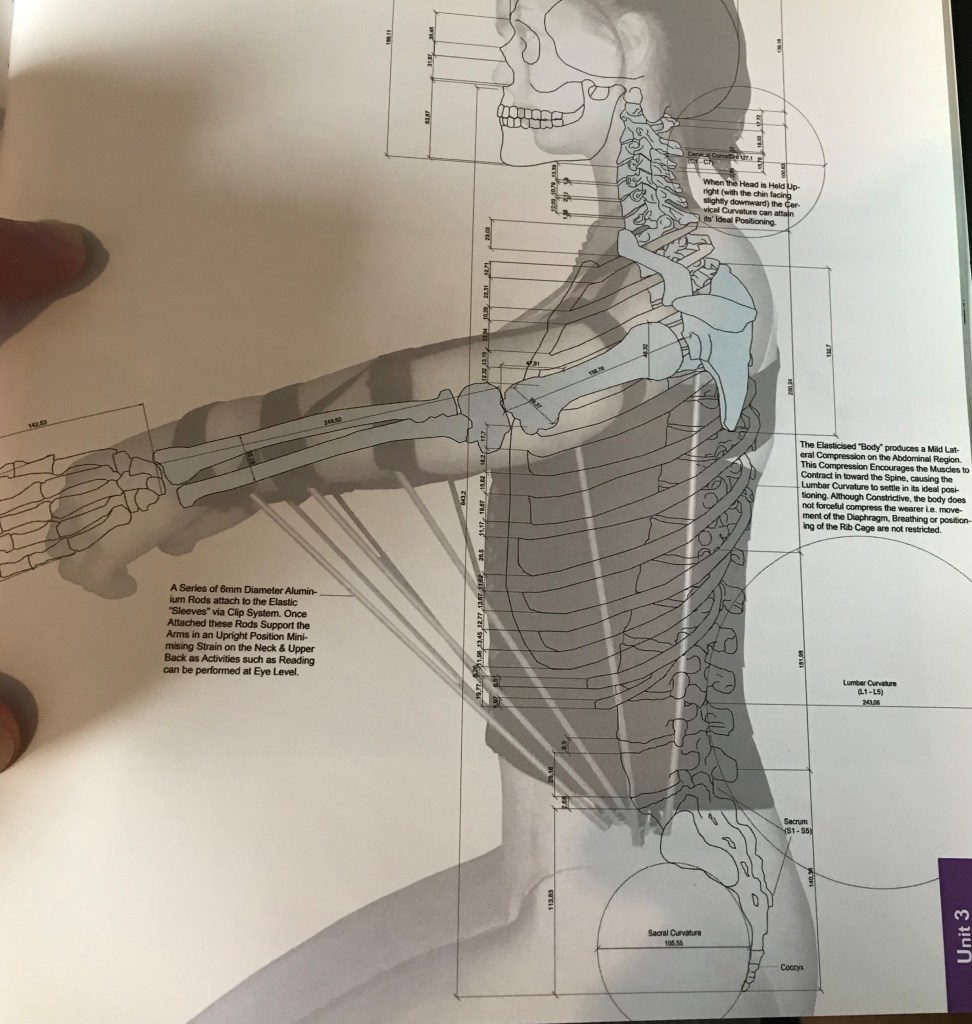
An Image from my Post-Grad Architecture project: “The Pain of Waiting” the actual final drawings were hand-shaded (if I find them I’ll share them should my perceived artistic prowess at the time be accurate in the present time)
I have always considered myself an ‘oddball’, I have never found comfort in the thought of confinement. Though strangely I am by no means a physical traveller (I am limited in my physical travels), my mind has never favoured the idea of being ‘stuck’ in one place, I have always wanted to know how everything in this world connects to one another. In studying architecture, my dissertation and final year projects considered the overlap in fashion, health and architecture. I wanted to understand the impact of architecture at monolithic and individual human-scale, we are living architecture, structures composed of structure and cladding, and I wanted to understand how society interprets, embraces and manipulates this relationship. For many the question would become “is this architecture?” but, what is architecture?

An Image from my Post-Grad Architecture project: “The Pain of Waiting” (and my lovely fingers)
What is Accounting?
This second question generates quite a degree of nostalgia. a I’ll always remember my very first architecture lecture when we were presented with the question “what is architecture?”
As noted above, there is of course, the general response/definition of architecture (it is buildings etc) but the purpose of this question is about installing critical thought. If architecture were simply just “buildings” then the term architecture need not exist. Thus, architecture is more than its definition, it is how you perceive the act of architecture.
For myself, the same can be said of accounting. Again when the question was asked in our discussion, there was a general definition to refer to however, my mind came alight with the same wonder the architecture question did some 20 years prior (then I also realised that it was 20 years ago, which was unsettling). Accounting is more than its simplistic description; accounting is calculation, accounting is accountability, accounting is organisation, accounting is understanding the world around you. Furthermore, it is not just about finances. Before the world had an accounting profession, accountability was to the Gods, to the King, to the emperor, to the community, accounting was (and is) an order of life itself.
Interestingly this brings us full circle, if accounting can be an order of our world, then must we not understand all aspects of our world? Should we not know the workings of all environments, societies, and disciplines we operate within to be able to “take account” of them?
Perhaps accounting is one of life’s truly interdisciplinary fields, a marvellous group of oddballs forever in search of new knowledge and a place to call home…
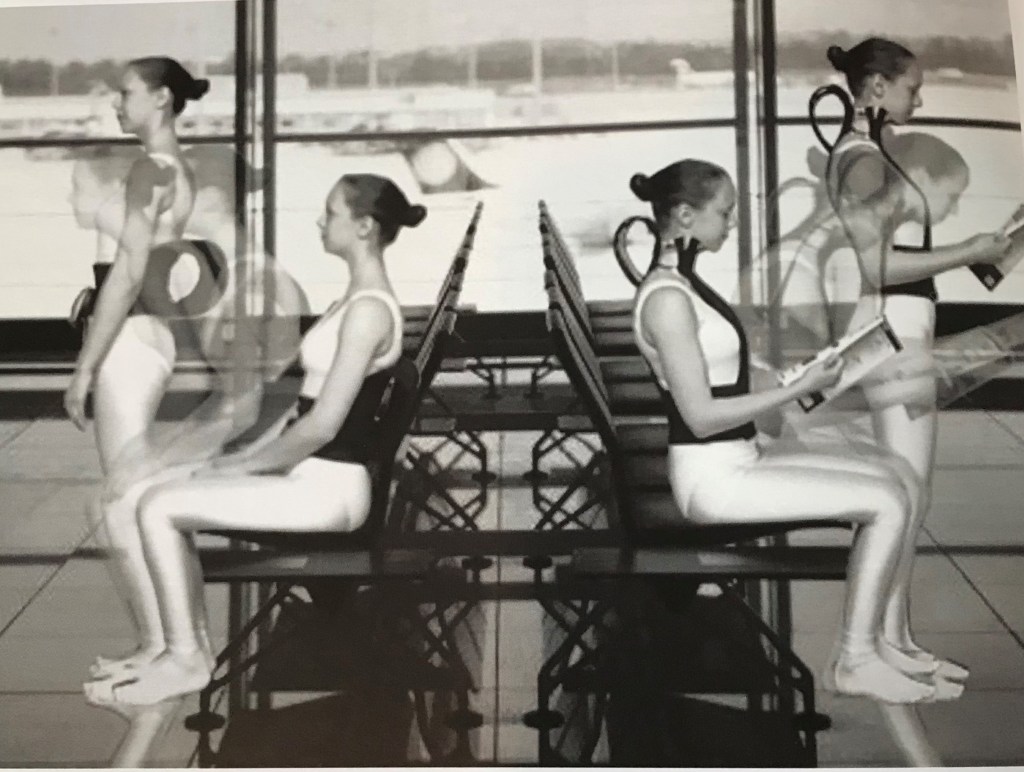
An Image from my Post-Grad Architecture project: “The Pain of Waiting”
-
BAFA 2023: The Good, the Bad, and the Unexpected…
As mentioned in the previous post, last weekend I set rail for Sheffield to attend the British Accounting and Finance Association (BAFA) annual conference. I mentioned my usual ritual of creating expectations that I am unable to fulfil at such events so now that I am home, it is time to reflect upon my findings…
The Good
Presenting my Research
The key difference in this conference was that I was presenting my work for the first time (I have done short presentations in my local doctoral conferences but this was the first big conference presentation). From the start I was excited more than nervous (unusual for me) but there was an anxiety over receiving feedback. My experience of presentation feedback stems from my time as an architecture undergraduate, and these were by no means positive experiences. The criticisms from these instances are a large contributor to my low self-esteem and self-worth and, while I have made much progress in therapy and counselling since that time, I have not yet faced an event where I have had to receive criticism. I spent most of my time worrying about how I would ‘handle’ negative feedback, would I see it as constructive, or would I breakdown? Will I undo the progress I’ve made over the last few years, how would this affect my ability to move forward? Thankfully my anxiety was unnecessary, my presentation was well received and the comments left me with both much to consider and much motivation to keep going (though how much of this being due to me being the last presenter of the day -i.e., before dinner- is unknown…)
The Content
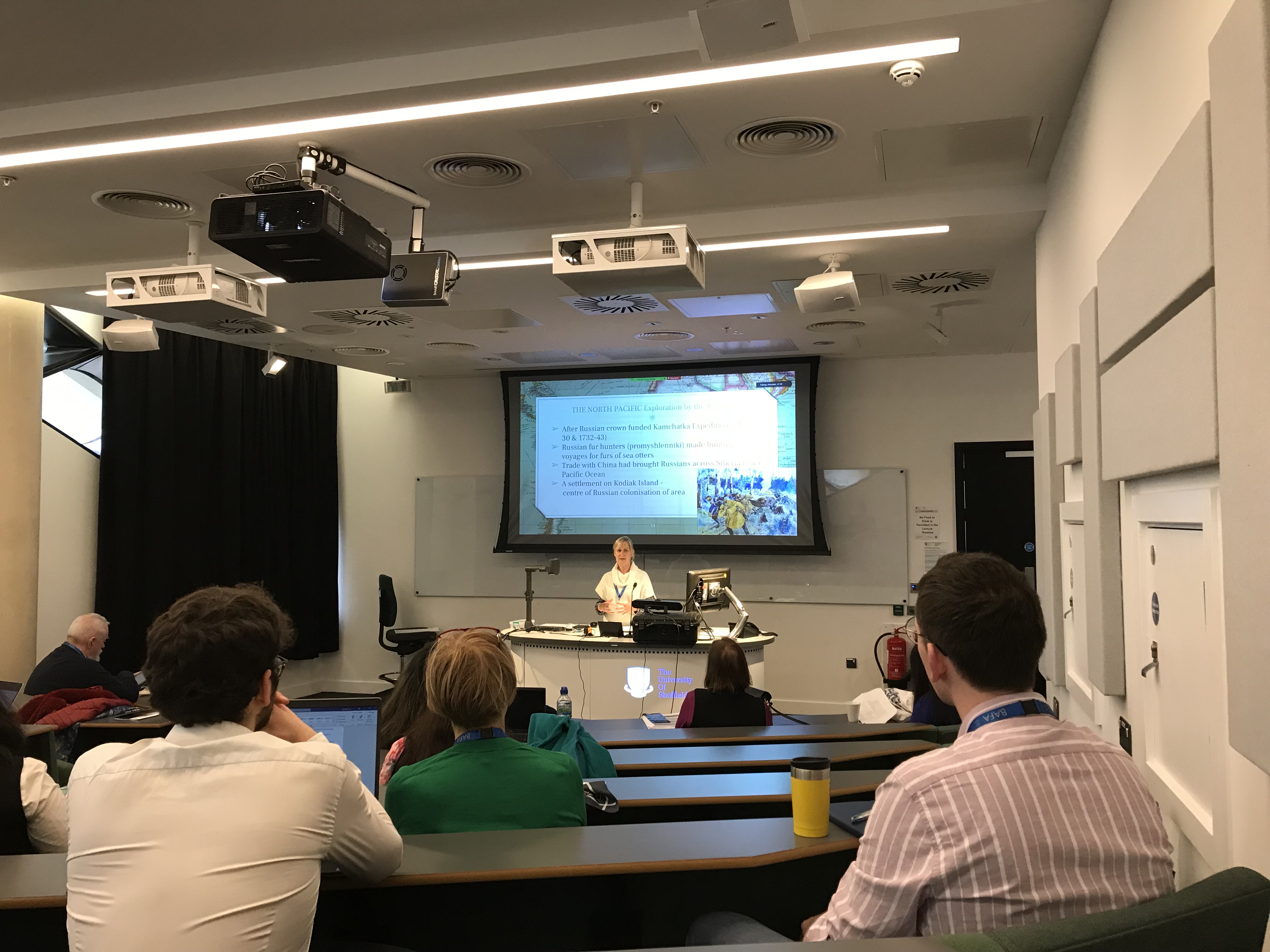
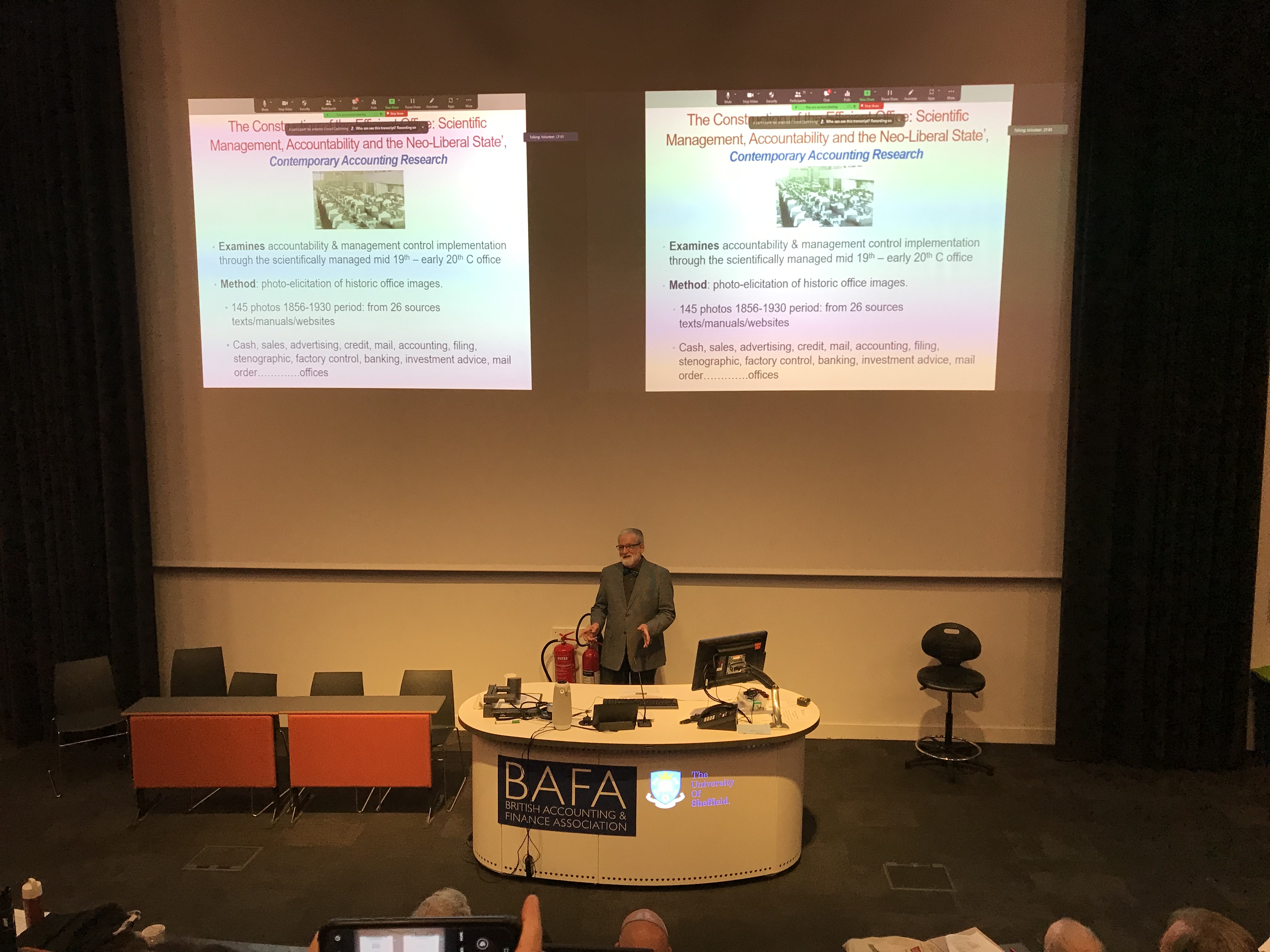
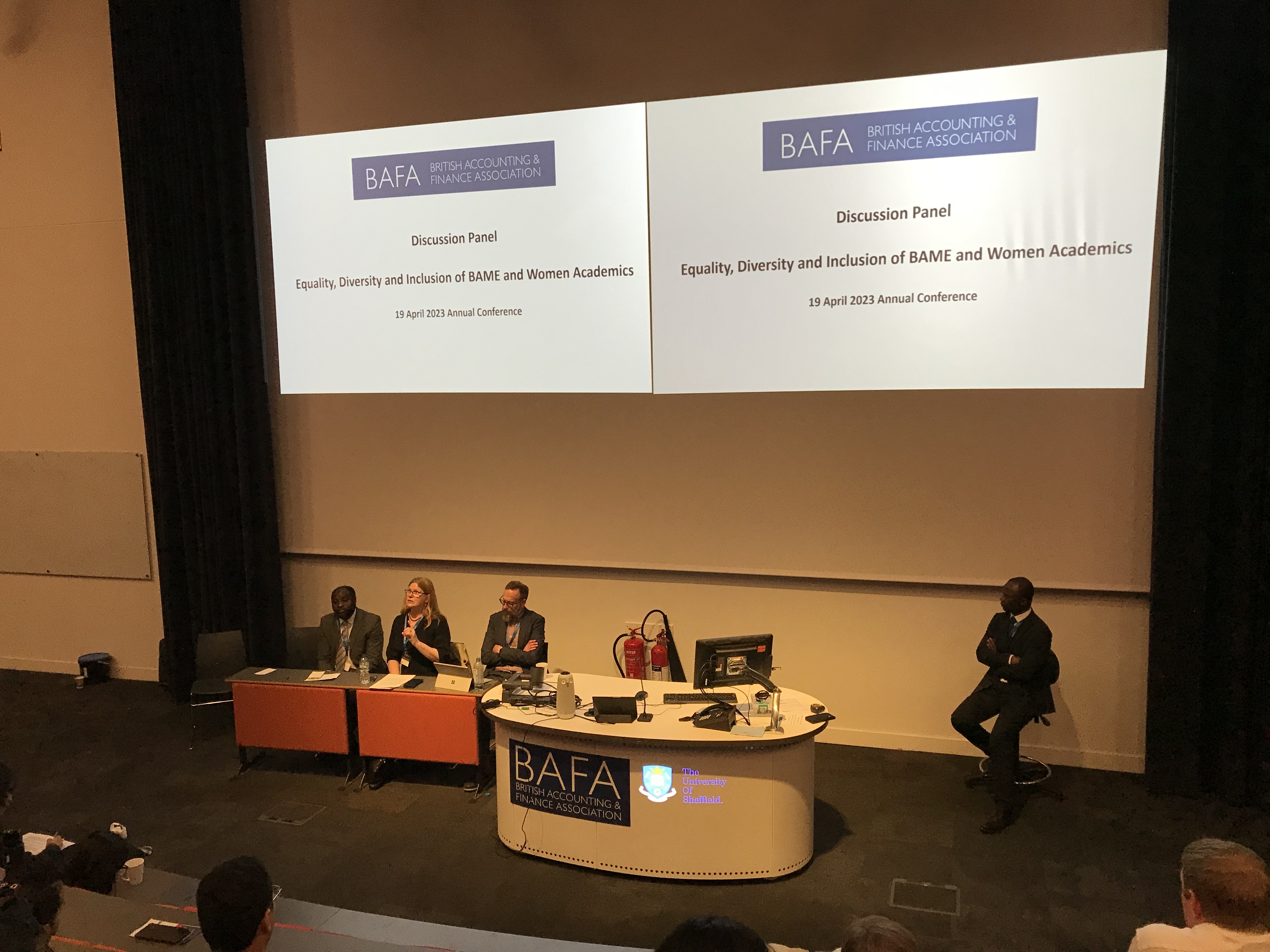
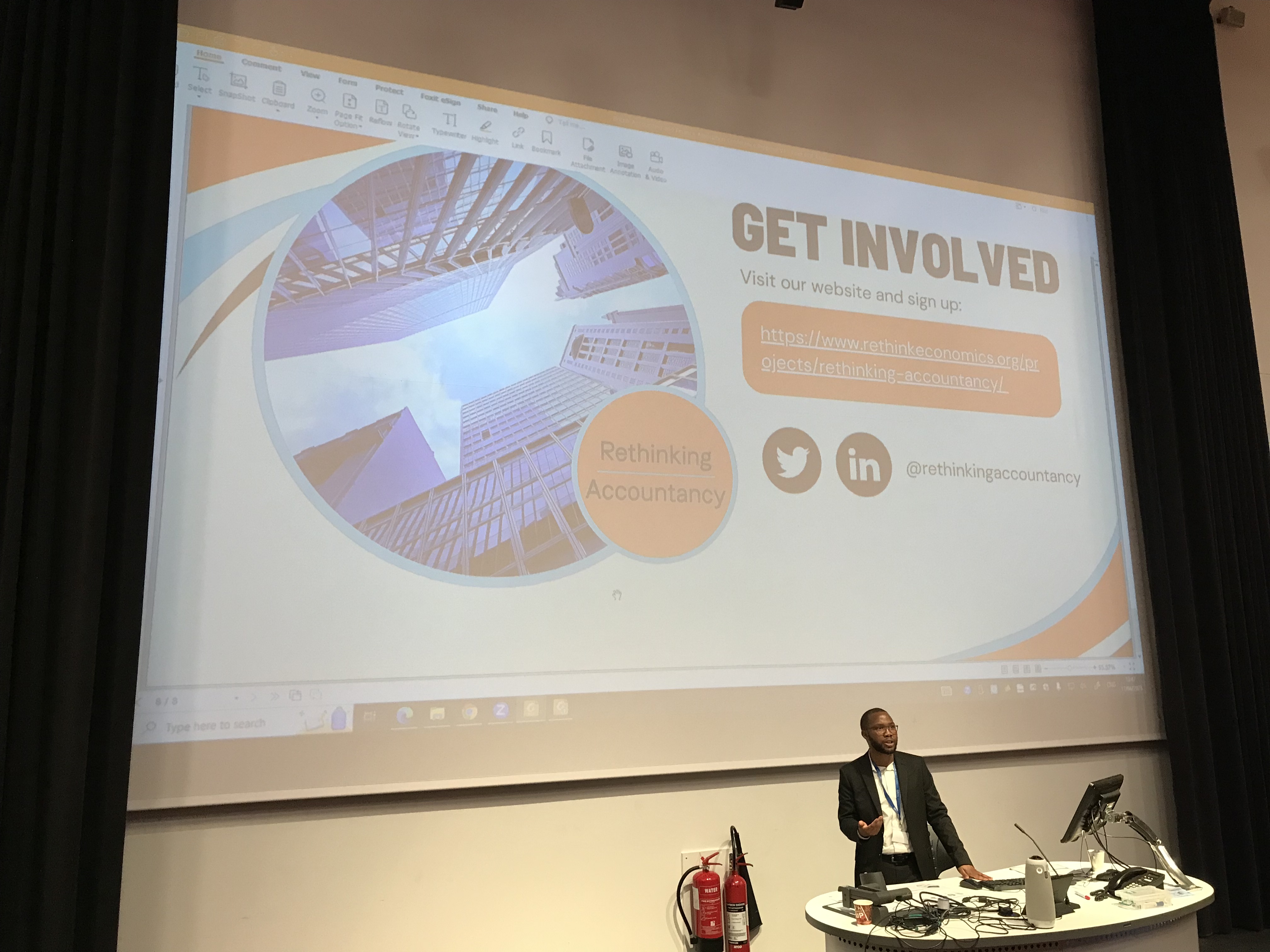
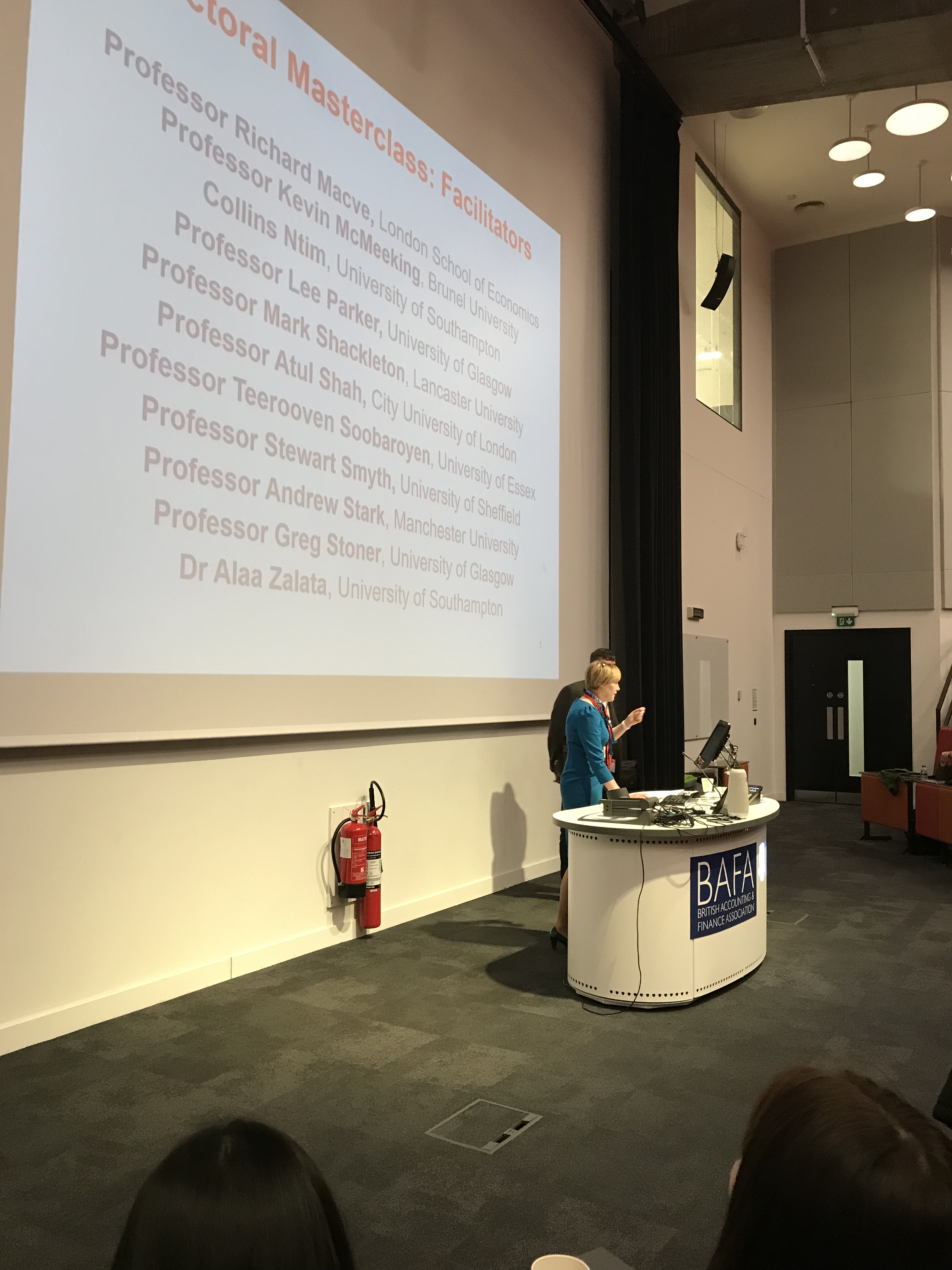
The conference itself was a fascinating experience. Each day was filled with presentations that peaked my interest and want to know more. Particularly the strong historical representation was extremely welcomed, while the community is small, seeing it so strongly represented was encouraging.
The Bad
The Networking
Now this is not a criticism of the conference, this is a reflection of my own effort (or lack there of). As I expected, I hid through most of the breaks, I cannot explain my actions, other than I just put too high of an expectation on my ‘small talk’ abilities. I did not go into this conference promising myself to be a better networker, I knew I would only leave disappointed however, I still felt the want to be more confident in this area as I am aware that I am a friendly and interesting person (or at least I think I am), there is just a part of me that refuses to allow me to promote this. I was fortunate to be approached by a fellow PhD student (from my home town which was a surprise) so at least this time I left having met one new person (even if it wasn’t by my own doing). All is not lost here though, while the crowded breaktimes were daunting, I was able to participate in the smaller presentation sessions and ask questions during the keynote sessions. My conclusion; my introvertedness makes me ideal for small and/or ‘controlled’ discussion groups but also means I will find all the good hiding spots when the tea break comes…
The Food
Again, this is not a criticism of the food (it was excellent), it is instead my inability to control myself around it. I do not have a healthy relationship with food, given the chance I will eat until I make myself ill and thus, buffets are the food scenarios of my nightmares. On reflection I think I was more controlled than I have been in the past (I have been working on my eating issues) but still, it was a very disruptive few days of eating and my health suffered for it.
Following on the networking fails, there were also two dinner events at this conference, neither of which I attended. Again this played to my introverted favour but on this occasion, there was justification for avoiding these events. I am currently working on a project with a deadline to work on and thus, my evenings had to be used for that. In normal circumstances (and in future) I would at least attempt one of these events to help my social skills although, the food and social anxiety will make that challenging thus, I cannot be certain how I might proceed here.
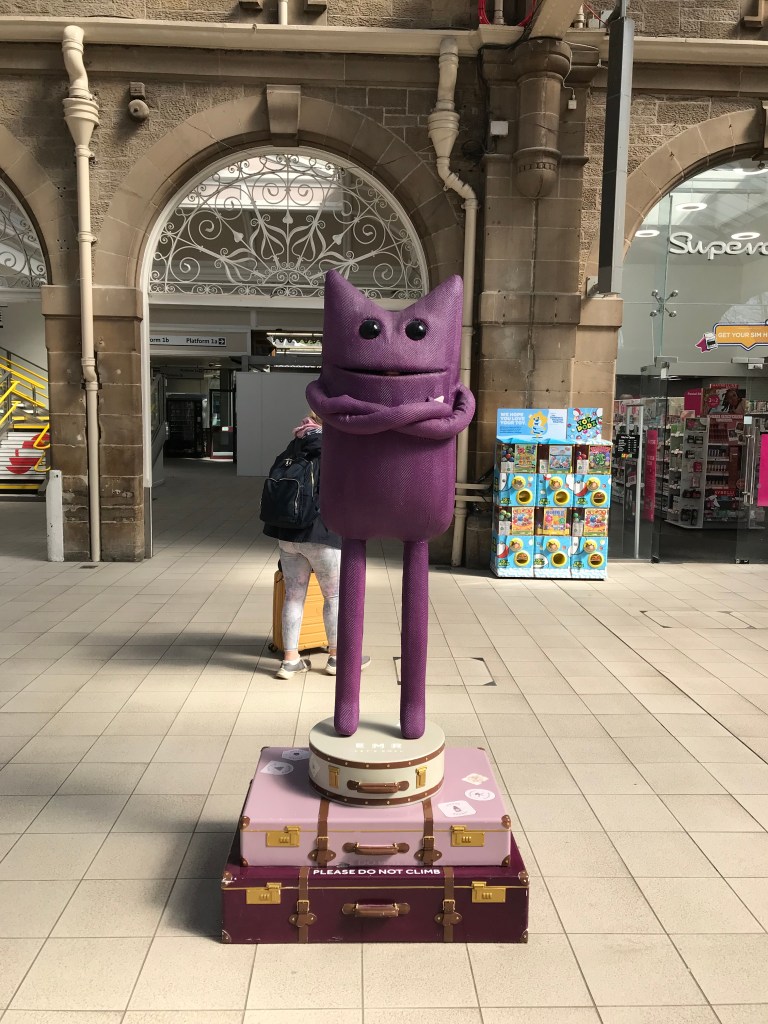
The Unexpected
While I noted my inability to network, there was one event that caught me by surprise. In the final keynote session I attended, I asked a question that involved my mentioning of being an architecture graduate (otherwise the question would have seemed a bit random). Following this, I suddenly found myself quite popular, having people approach me to discuss my background and to get in touch for more information. I attained my unplanned networking goals in the last 10 minutes before leaving the conference.
Furthermore, it has also motivated some new research avenues, I’m not sure that I’ll have the time to pursue right now, but it is most certainly on the ‘to-do’ list.

What now?
Well now focus turns to the next presentation (a seminar next month), the next conference (June) and the next phase of my PhD research, the data collection. The next few months will see more travels and experiences as I journey into history in search of answers in the archives…
-
Expectation vs Reality: A pre-conference pep talk
This weekend I will make my way to my first conference of the year (there are currently 2 planned) and, as always, I will undergo my pre-event ritual.
In the lead up to a conference, I always imagine how I will act. I will introduce myself to people, engage in conversation with people, and make new contacts. In short I will lay the foundations to meet my profile-boosting aspirations but then, reality always hits.
As I pass the threshold of the venue, as if by magic, all of that confidence vanishes and I become a conference goblin; hiding at the back and in the corners of the room, stealing food and running away at the first opportunity. I leave every conference infuriated with myself for, yet again, having failed to engage like a mature professional adult. every event becomes a missed opportunity, a reminder that I am not rid of my social anxiety.
I can engage in discussion, I can and do ask questions at presentations and seminars but in the social/networking domain, my less than developed ‘small talk’ skills see desperately seeking the nearest exit.
So what can be done? Admittedly I am not entirely sure, I know this time will be different as I am presenting however, I remain completely uncertain if, or how, this will change the social experience for me. If I follow the approach that I have taken in my writing, perhaps I can manage my expectations better. Instead of envisioning my sudden transition into a masterful communicator and extrovert, I remember that I am an “working through social anxiety introvert” and set reasonable and small goals for myself.
Only time will tell what will happen however, there will be much to learn this time so let us hope that all goes well.
-
And breathe…when the stress hits.
As the varying post frequency recently may suggest, the last couple of months have been busy, and stressful. Very stressful.
Note: The content below is not a guide nor medical advice, this relates to my own personal experience of my mental health struggles. If you are experiencing any of the below issue please know experienced help is always available for you. Please reach out to your doctor or local mental health services.
Dealing with phantom expectations
This has always been, and remains, a great challenge for me and most certainly acts as one of the last remaining strongholds for my anxiety. As a situationist, I often place myself in “other people’s shoes” when considering scenarios and this year, this has proven a grave mistake when it concerns stress management. I absorbed the stress, fears, and frustration of others, and as a result my own work slowed as I spent more time in an anxious stalemate, unable to move forward and yet, equally unable to back away to safety. My want is to help others when I can however, in doing this I fear I have set a dangerous precedent in making myself ‘too available’. I know how it feels to hurt, to panic, and feel so lost that the smallest of problems feel like being trapped in an inescapable abyss of terror. All you want is to find someone who can help you to find a way out, because fear has led to you believe that you do not have the strength to do this alone (you do, but I know anxiety is seldom reasoned with). Fear freezes you in place, so much so that you cannot hear those calling out to you, offering you the chance to make your way to safety. For myself, knowing this feeling well and in a bid to help relieve it, I have made a severe error, I waded into the abyss too, only to get lost myself. I now too was trapped; ridden with my own anxiety and guilt for not being able to rescue those in need. While my intentions were noble, they were misguided and now I had disappointed myself as I had created a vision to others that I could never attain.
I allowed others to believe that I could be their guiding light in all conditions and thus, I created an expectation (whether real or perceived in my mind I cannot say for sure) that I could do everything. I cannot do everything; this is a lesson I truly must learn.
Escaping the Labyrinth
As I found myself lost, I had to remember my ‘training’ (also know as therapy but we can stay with the movie-esque language for dramatic effect). It was nothing extravagant, I simply had to stop and breathe. When consumed by panic and anxiously ‘ranting’, my therapist would always calmly tell me to stop and breathe, following cycles of slow deep breathing broke the prior cycle of panic. In a way it was like I was breathing in the fog and on opening my eyes, the land was clear around me once more; I could see and better yet, I could move when I felt ready. I admit this does not suggest that all was better, and I could carry on as I was before the stress; stress and anxiety are exhausting, often I find myself too tired or too drained to move on immediately. While this does add some frustration (as regaining lost research momentum is tough) I need that time to rest, when the air is clear I can plan, see where I went wrong and how I can learn from this in future. With this moment of clarity and calm, I can start my journey back to my own work, my own life.
Boundaries: Being true to yourself and those around you
So, what did I learn this stress? First and foremost, I learned why most people call out to those who are lost instead of wading in toward them. There will be times when you will dive in, but it must be remembered how much strength and courage this takes as you will need to return to dry land, as the Grand Canyon trail signage states “Going down is optional, coming back is mandatory”. I admit I would still take that plunge to guide someone back to safety, but I must remember there is a difference between struggle and inconvenience, and this was where my lesson lay. I will always be there to be by the side of those truly lost but I must recognise that treating every negative situation as a catastrophe can distort reality. In my experience, these past few months I made the proverbial ‘mountain out of a molehill’ as there were actions that I could have taken that would have proven more helpful (as I eventually did and attained the result needed). For these smaller life stresses, I must build boundaries. With distance and clarity I can be more helpful to others while protecting my own mental health. I can be an advocate for those around me, but I cannot pretend to be their saviour, I need to know and make known my limits to avoid unrealistic expectations.
With this realisation, from this week I put on my ‘out of office’ (noting that I am focusing on my thesis) and I assessed where I am with my research, where I need to be and where I go next. I have made excellent progress writing-wise (though I suspect a writing retreat helped cement this focus). I am now in my second year of my PhD and now I must embark on data collection thus, I cannot be present at all times for others (particularly when help can be found in other sources). From here on out I am allowing myself to be a little bit more selfish and I think everyone will benefit from that…
Note:
This post will read very vague and dare I say ‘fluffy’ in its detail, the reasoning is that it is not my place to share details of anyone’s experiences other than my own thus, I have not given any specifics in the source of my recent stresses (plus, the stress was of my own making, it was in no manner the result of anyone else’s actions)
-
Academic Divination: Seeing the Future in the Past
This week while revisiting some mid-20th century papers I was reminded of one paper that prompted much of the direction for my thesis, J.C.R. Licklider’s 1960 ‘Man-Computer Symbiosis’. (let us ignore the inherit sexism in the term for now).
While I have adopted this paper into my theoretical framework, it is not symbiotic theory alone that fascinated me in this paper, nor is it the topic of today’s post instead, it was the remarkably accurate vision of the future presented by Licklider (1960).
At the time of its publishing (1960), computers were moving from their infancy into in their toddler stage; sizeable, expensive, electronic mechanised toddlers (quite an image). It was widely acknowledged that they were far from accessible to all, and for those who could access them, they may not have been the solution to the problems faced (Matz, 1946; Carlson, 1957; Schireson, 1957). Computers were limited in number and the ‘internet’ was a communication system that would be confined to walls of a company (more akin to a modern day intranet).
However, many could see the potential. There was a possibility for these ‘clunky toddlers’ to be useful, they just had to do some ‘maturing’ and developing. For Licklider (1960) this development would comprise several steps and innovations. And this where the crystal ball sprung to life…
- The ‘World Wide Web’ a.k.a. the ‘Internet’
As noted, the internet existed far earlier than the 1990s, it was just in a far more limited form from the internet we recognise today. For Licklider (1960, p. 5) this would have to improve:
“The picture readily enlarges itself into a network of such centers, connected to one another by wide-band communication lines and to individual users by leased wire services. In such a system, the speed of the computers would be balanced, and the cost of the gigantic memories and the sophisticated programs would be divided by the number of users.”
This (in my limited technical knowledge) is an accurate description of the modern internet. For computers to attain their potential, they would have to master the pivotal skill of humanity, communication. Computers would need to find a way to enhance human communication by allowing and adopting a new method in which humans could communicate and share the growing stores of data and information they were gathering. What better way than to find a method to connect numerous computers together. Interestingly as a further note, it was Licklider’s popularisation of the concept of the “Interglactic Network” that would inspire scientists to develop the first practical iterations of the internet (Andrews, 2013).
In the reference to memory, Licklider (1960) may even have added the ‘cloud’ into this prediction by citing this network could be utilised to enhance memory (the information/data storage capability of the computers).
2. Nostalgia and online services
“The first thing to face is that we shall not store all the technical and scientific papers in computer memory. We may store the parts that can be summarized most succinctly-the quantitative parts and the reference citations-but not the whole. Books are among the most beautifully engineered, and human-engineered, components in existence, and they will continue to be functionally important within the context of man computer symbiosis. (Hopefully, the computer will expedite the finding, delivering, and returning of books.)” (Licklider, 1960, p. 5)
While it is uncertain to say definitively that have books maintained their importance as a storage medium, Licklider (1960) does portray the connection and ‘hold’ that books embody. Technology has far surpassed the need for books but, the above sentiment on their importance overall does appear to hold strong throughout 21st century society. More interesting is the follow up statement by Licklider (1960), the dream (rather than prediction) that one day computers will provide a medium to better connect us to books. Again this falls into the domain of the internet however, this is a specific vision regarding the services and purposes that a connected computer network could provide. Furthermore, the paragraph goes on to describe the possibilities for external storage devices, noting that throughout time the data tape will evolve to fit within smaller units and adapt to take on new materials and innovations that will create larger storage capacity within smaller products. An obvious prediction perhaps, but an accurate telling of the evolution from the cassette to the usb key.
3. The tablet and stylus
“Nowhere, to my knowledge, however, is there anything approaching the flexibility and convenience of the pencil and doodle pad or the chalk and blackboard used by men in technical discussion.”
Again arguably a dream rather than a prediction but in the above observation Licklider (1960, p. 7) quite accurately stumbles upon one of this centuries most influential technologies, mobile devices. For many artists, the tablet and stylus has opened a world of possibility in digital art, a device with the ability to create, store and share entire collections of work to anywhere in the world. Further, in this statement there is a suggestion linking to the need for computers to ‘shrink’ to further enhance their usefulness, with the (again a perhaps obvious) notion that a handheld device would be far more accessible than one that occupies an entire room within a building.
4. Touchscreen technology and digital display
“The man should be able to present a function to the computer, in a rough but rapid fashion, by drawing a graph. The computer should read the man’s writing, perhaps on the condition that it be in clear block capitals, and it should immediately post, at the location of each hand-drawn symbol, the corresponding character as interpreted and put into precise type-face.”
Following on from the notion of the tablet and stylus, Licklider (1960, p. 7) points to another commonplace technology of the modern era, digital interactive displays. Noting here the benefit that such an innovation would provide to collaborative working, Licklider (1960) foresees a scenario where ideas and work can be translated instantaneously and displayed in various formats. Furthermore, they equally foresee that technology will have limitations at all stages, noting the need for clearly recognisable characters/representations to allow smooth translation. However, the recognition that part of the computers potential will be in its collaborative and interactive functions is something that has become central to many modern working practices.
5. Virtual Assistants
The final and closing notion explored by Licklider (1960, p. 9) is speech recognition software:
“…not a few workers have the feeling that sophisticated computer programs will be able to perform well as speech-pattern recognizes even without the aid of much substantive knowledge of speech signals and processes.”
There are two interesting points here, the first being that in the sentences preceding the above statement in the paper, it is noted that this particular innovation was thought to be possible in the near future (i.e., 1970s-80s) although, this would be in the form of automated typing from speech, not human to machine interaction. The second point is thus that this appears to be one area where the vision has shown to be more restrained than the reality. Where in other examples Licklider (1960) presents a reasonably accurate vision or description, they do not extend this particular thought to include the idea of speaking with a computer, only to it. While our current virtual assistants may not hold fully engaged conversational abilities, the growth and development of chat AI-driven functions is increasing (consider Chat GPT). Furthermore, it is again important to note the subtle suggestion to the internet again in this vision. The computer itself does not have to posses the knowledge in itself to understand, it can consult a database elsewhere to interpret the input information.
On reflection…
Looking at the above is another reason that history is a truly fascinating subject. In this paper we have a window to the past, a view of someone trying to imagine a future that they knew little to nothing about. Yet, by analysing what was present in that moment and picturing how it could be made better, Licklider (1960) quite accurately “predicts” some of todays most recognisable innovations and how we might use them. It exposes the modern reader to a reality that undoes the more negative or dismissive views of history (i.e., all they did was predict flying cars and robot maids although, what else would you call a Roomba?), and shows us the benefits to be gained from calculated analysis and thought as a means of forecasting future possibilities. This paper was not intended to be Nostradamus-esque trip into computing, it was a guide of how to prepare for the future in the wake of new technology. I only wish Licklider could have had the opportunity to read back their paper on a tablet and smile (they died in 1990)…
References
Andrews, E. (2013) Who Invented the Internet? Available at: https://www.history.com/news/who-invented-the-internet#:~:text=The%20first%20workable%20prototype%20of,communicate%20on%20a%20single%20network. (Accessed: 2nd Mar 2023).
Carlson, A.E. (1957) ‘Automation in Accounting Systems’, The Accounting Review, 32(2), pp. 224-228.
Licklider, J.C.R. (1960) ‘Man-Computer Symbiosis’, IRE Transactions on Human Factors in Electronics, 1, pp. 4-11.
Matz, A. (1946) ‘Electronics in Accounting’, The Accounting Review, 21(4), pp. 371-379.
Schireson, B. (1957) ‘Towards a New Accounting’, The Accounting Review, 32(2), pp. 253-257.
Follow me on Bluesky
@lniezynski.bsky.social

