June has been a fast moving month, while 1 week was a much-needed holiday, it was immediately followed by a conference (and by immediately I mean I travelled from Croatia to Edinburgh to Norwich in one very long day).
JIAR 10th Annual Conference @ the University of East Anglia
I had been looking forward to the JIAR conference as, in my own mind at least, it was going to be another opportunity to present my PhD thesis. I applied to attend the Doctoral Colloquium months prior and my PowerPoint was prepared and ready to go. What I had not prepared for however, was the reality that there would be no presentations at the event, the colloquium…
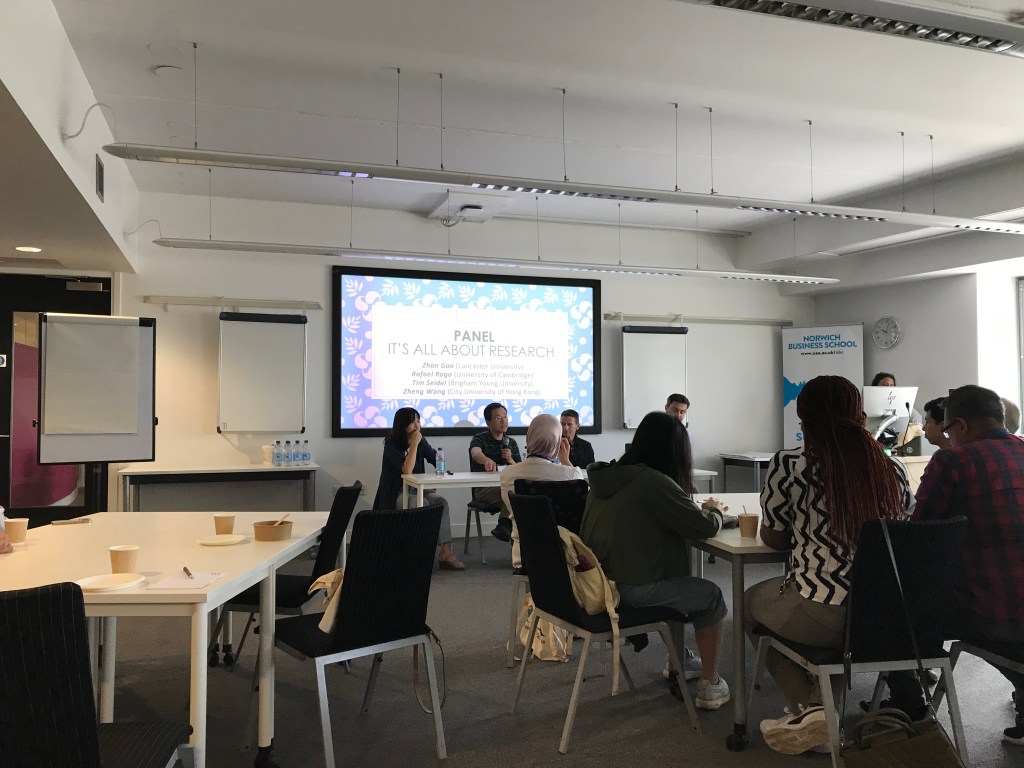
The event was one of sharing information and advice regarding PhD/early career development which was very useful however the day was tinged with disappointment that my presentation would go unheard. In defence of the organisers, they never communicated that attendees would be presenting, I just (unwisely) assumed this was the case as had to submit an abstract/application to attend. Thus, from the beginning an important lesson (that would carry through the entire conference) was learned; ALWAYS research what a conference and its focus is about.
As noted, the colloquium was still very useful, the only downfall being breakout sessions with all groups being in the same room, this arrangement left myself and my auditory processing disorder unable to figure out most of what anyone was saying…
When the Realisation hits…
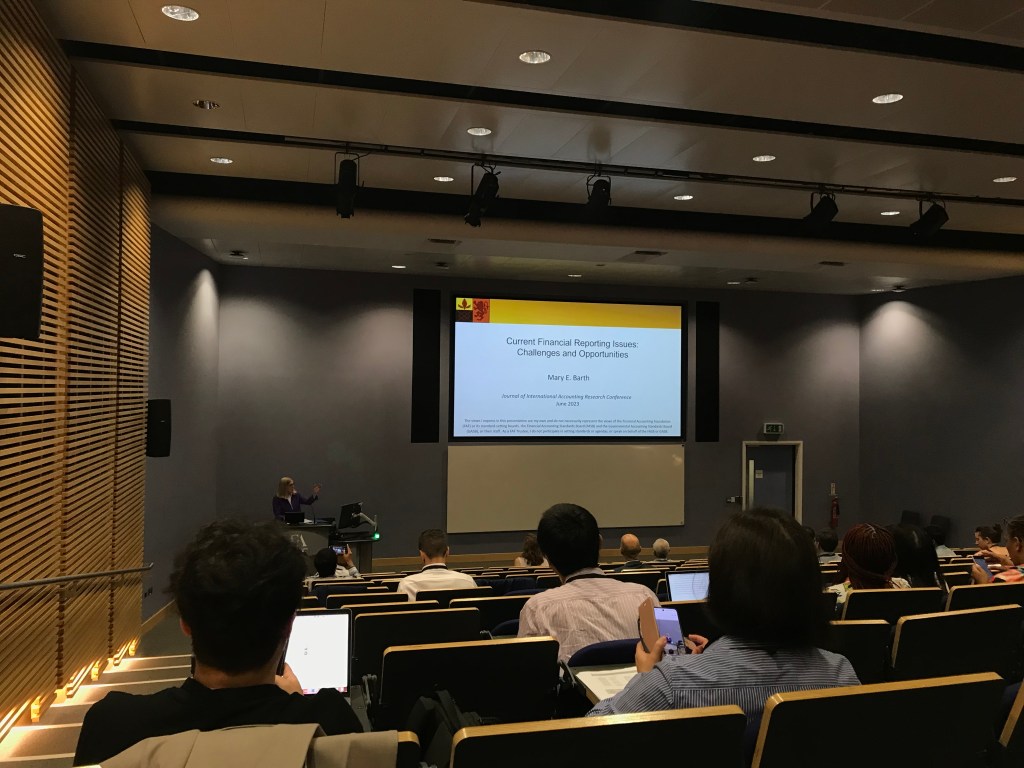
What I could determine in the breakout sessions however, was that everyone seemed to be from quantitative research backgrounds. While there is nothing wrong with this (each to their own applies to research too), as a qualitative research I quickly felt very out of place. Moving into the main conference my quantitative dread became fully realised upon discovering that all of the presentations were also quantitatively-based and thus, I found myself surrounded by all statistics and no critical theory.
I should note that this is not my saying that the conference or its content was bad, on the contrary, for a quantitative researcher this would be a fantastic event. What I am emphasising is that this was not a bad conference, it was just the wrong conference for me. As a young (as in early stage) researcher, I gain more from submersing myself in similar research types and fields, I can still learn much from counter methods however, it is not information that will see me improving how I research, draft and present my thesis. I certainly believe that later in my career I can benefit from expanding my research horizons but, right now, over-filling my mind does more harm than good.
Making the most of Misguided Decisions
Now while the conference was not exactly the right place for my history-bounding self, my geographical location did offer many an opportunity…
I admittedly have not seen much of the UK and thus, attending conferences does provide the opportunity to explore my home nation and on this occasion, the results did turn out to help my PhD research.
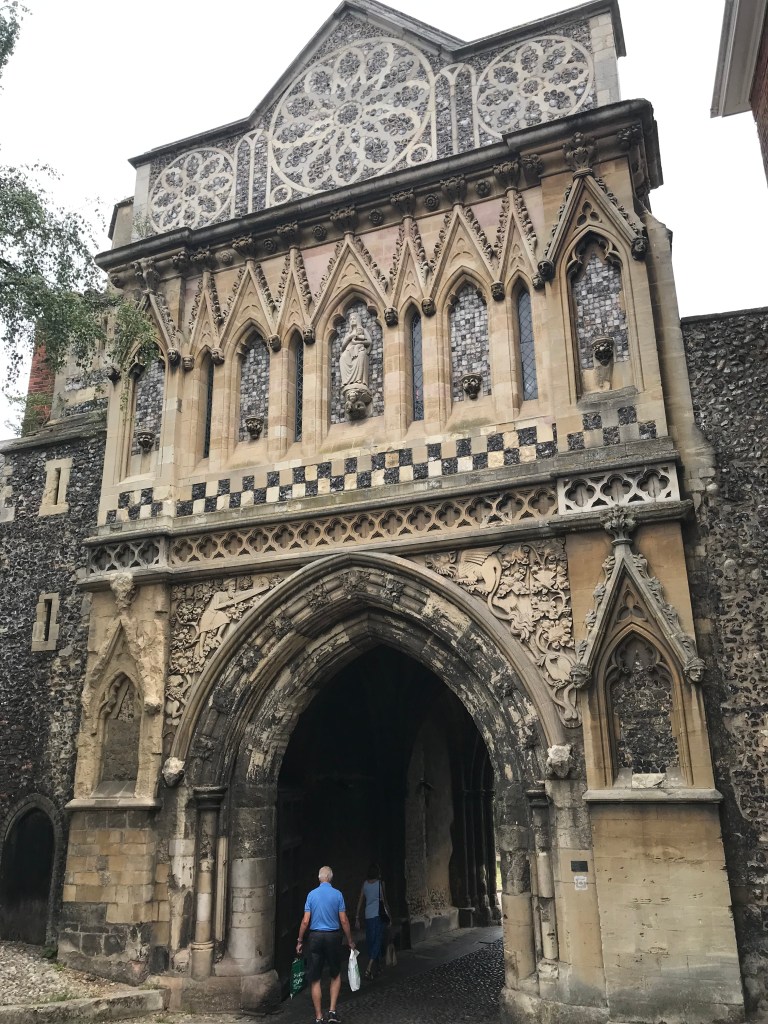
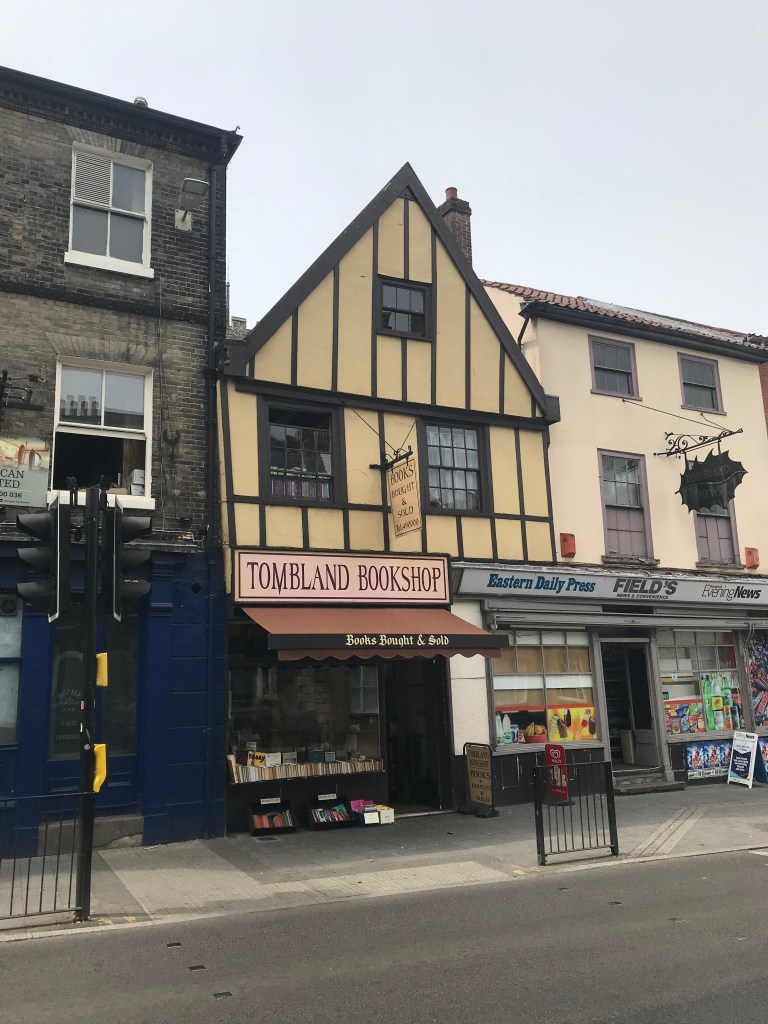
Wherever I find myself, my first port of call is always to find the local museums and in Norwich I had two; The Castle Museum and the Museum at the Bridewell. the former as luck would have it, was hosting The Last Voyage of the Gloucester: Norfolk’s Royal Shipwreck 1682, an exhibition displaying the current discoveries salvaged from the over 300 year old shipwreck. With my period of focus being 1500-1700, and exploring merchant shipping, this exhibition provided a useful ‘frozen in time’ glimpse into society and life of the time (or at least, a small part of the society). The Bridewell museum further assisted with displays of all aspects of Norwich life. The city’s final gift (except from bubble tea of course) was found in Tombland Books. I left Norwich with 2 further secondary data sources to read through.
The lessons learned…
The first would be, where possible, research to find out what kind of conference you are signing up for (and if it is not clear, ask if you can/are presenting). As follow-up, another lesson is that it might not always be possible to find this out, and you will only discover that the event is not quite relevant for you until you arrive. The thing to remember/realise here though that all is not lost. Whether entirely relevant or not, you can and will always leave having learned something useful.
Second, when you find yourself at the wrong conference, there may be opportunity outside the venue walls. Maybe there is a university/department/individual based in the area that is relevant and you could reach out to? Maybe there is a a library, museum, local business/organisation where you can pick up some extra information or data sources? Or finally, maybe this is a chance to take the briefest of mental breaks and explore a new place (assuming it is safe/feasible to do so).
While I did not leave with my notebook bursting with new insights, I gained some very useful pieces of advice and I thoroughly enjoyed my adventure through Norwich…
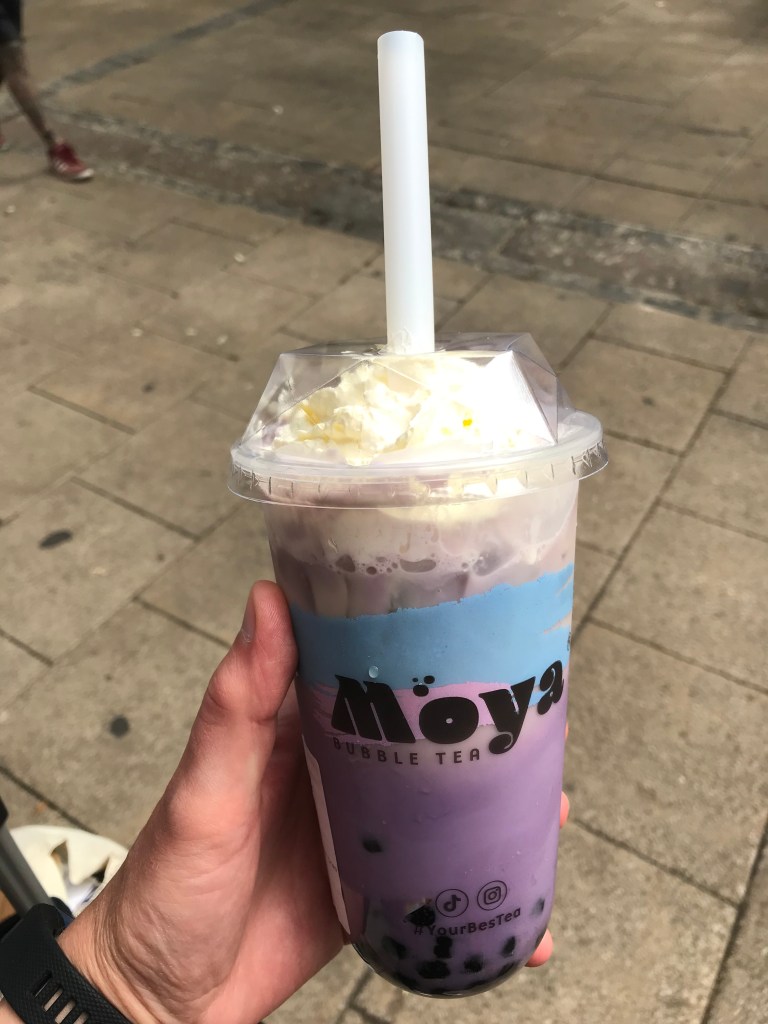
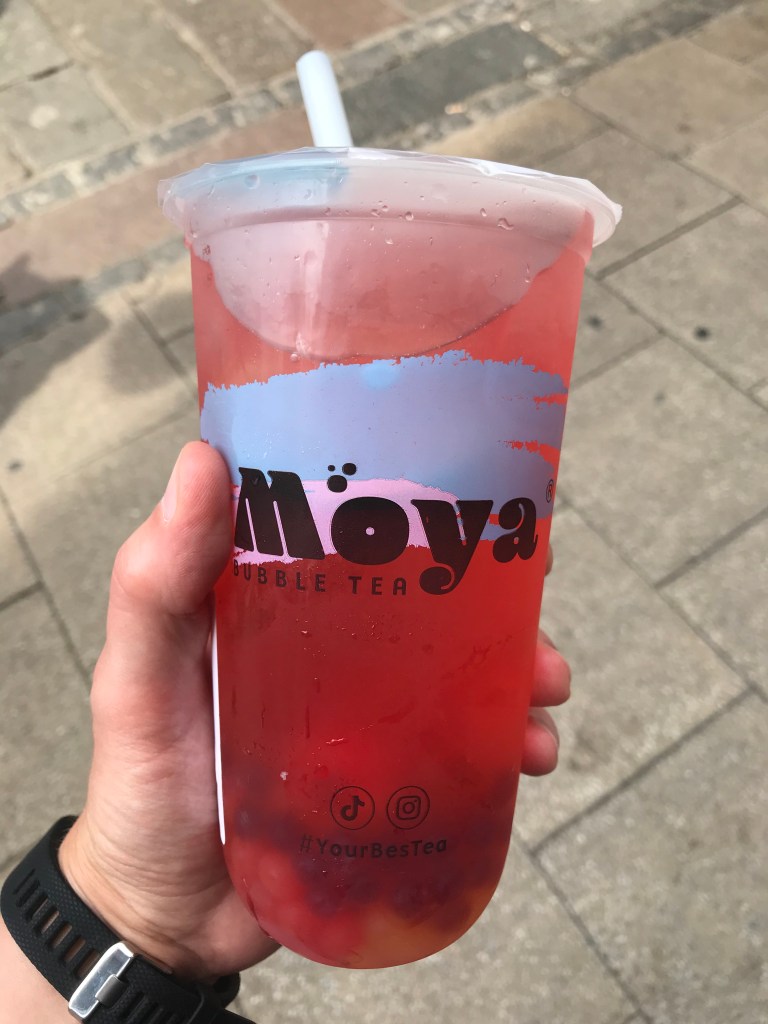
Places of Note: Aside from the Museums & Bookshops, I was thrilled to find a Bird and Blend Tea store and discover the joy of Bubble Tea courtesy of Moya
 Accounting for Humanity
Leave a reply to Conference Crawl Anyone? – Accounting for Humans Cancel reply