Originally I intended this to be part of my Creativity post as a quick recap of recent adventures, but as usual, my writing spiralled and the brief update grew into a whole post worth of content. So, let us start this weeks double posting with my most recent adventures. Since the last post I have attended two events, neither PhD subject related but both contributing to my interest in connecting our death culture with accounting.
Glasgow Crematorium – The Glasgow Open Doors Festival
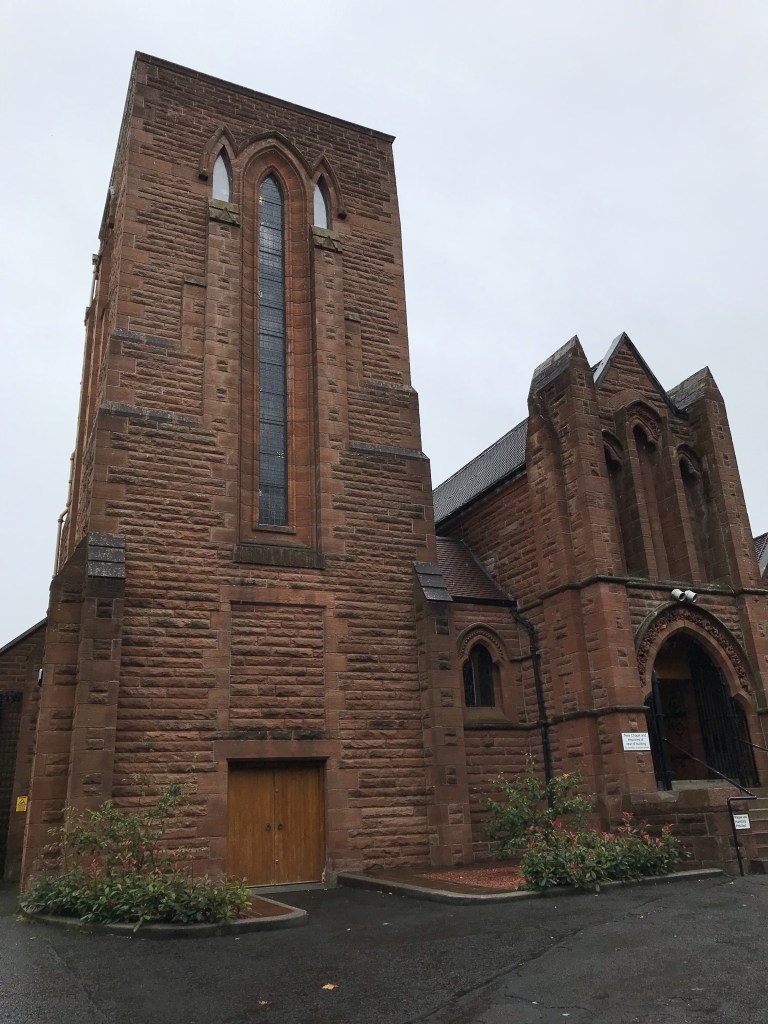
On a very rainy Sunday afternoon a few weeks ago, I set off to explore Scotland’s oldest Crematorium, Glasgow Crematorium. Built in 1895, the crematorium is a wonderful example of Victorian death architecture, relatively simplistic in aesthetic (unusual for the era) but here it is the residents who bring the power to the design. Inside the building is a beautiful multi-storey columbarium with niches filled with an array of ‘urns’ (cremains containers range from marble and timber boxes to the more recognised urn).
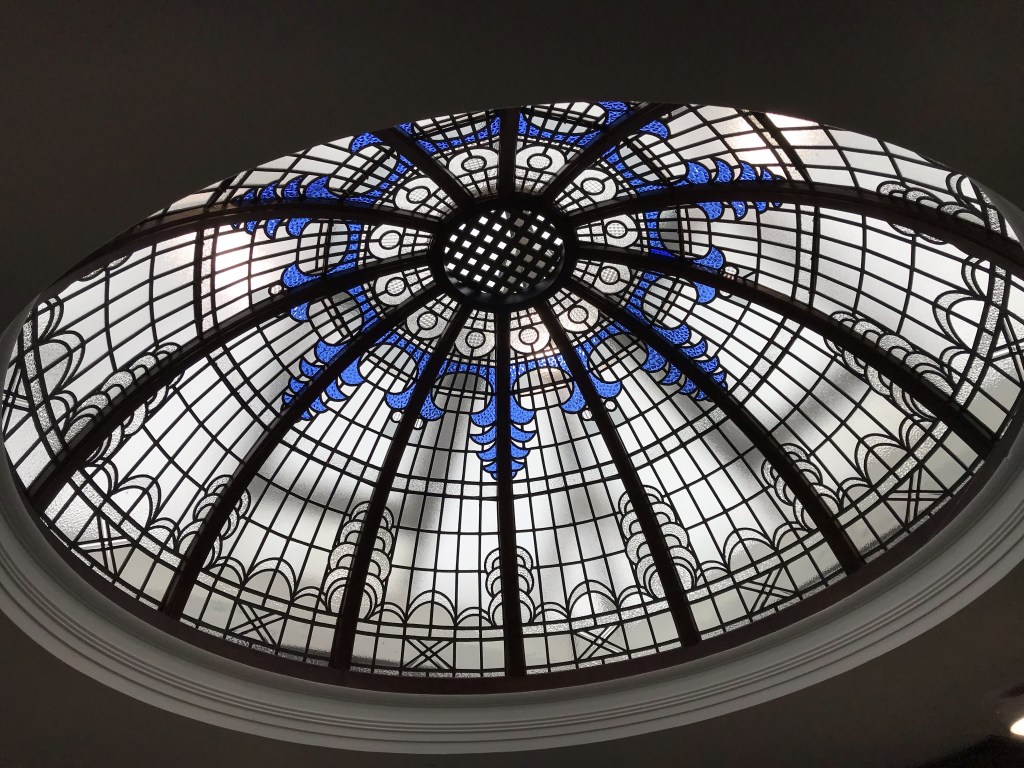
The visit included a guided tour that covered all areas of the crematorium, from a glass jar containing the first body cremated on the site (a sheep) to the furnaces, teaching us death-curious visitors the details on how the cremation process is carried out. The tour that was fascinating while incredibly respectful to the process of cremation. The only downfall of the visit was the rain as the crematorium grounds (a necropolis and memorial garden) were too wet too be explored (a good reason for another visit in the future). While it sounds macabre to spend your Sunday, this was a fascinating experience I highly recommend. The columbarium was beautiful, a library of humanity if you will, each niche containing the rich stories of a life once lived. Furthermore, it was incredibly interesting to learn how the business side of cremation works and the important role it plays in the community both in terms of the service given to families and the charitable work they carry out.
If you happen to be around for the next Glasgow open doors festival, this is a must see.
From urns to jars; The Glasgow University Anatomy Museum Open Day
This visit is the reason that we have this post a week late. Last Friday Glasgow University hosted the first of what I believe will a semi-regular event (possibly monthly), an Anatomy Museum open day. This (like the above) was another event found on my Eventbrite scouring sessions, I have visited the Edinburgh University Anatomical Museum (another venue that hosts a monthly open day I believe) so it seemed only right to pay Glasgow a visit.
While the focus here is the contribution to science (there is an option/facility to donate your body here but I could not find a link to add), this is undoubtedly still a place of death and memorialisation. The inhabitants are anonymous and (rightly so) no photos/sketching/recording of any kind are allowed so there is something very different about this place. On the one hand it is fascinating to essentially see what your insides actually look like yet, on the other this creates a strange sensation that you do not get anywhere else where remains are interred. There is a transparency unequivocal in view the actual body parts of a human (or animal in some cases) yet, there is a complete sense of mystery as you will never know anything of this person other than what this particular part of their body looked like.
It was most definitely a powerful and (another) fascinating experience, worth a visit (if you are not squeamish) to either Glasgow or Edinburgh’s anatomy museums (as a note Edinburgh contains more skeletal specimens, Glasgow is more focused on organs, tissue).
Final thoughts (or ramblings) on places of finality…
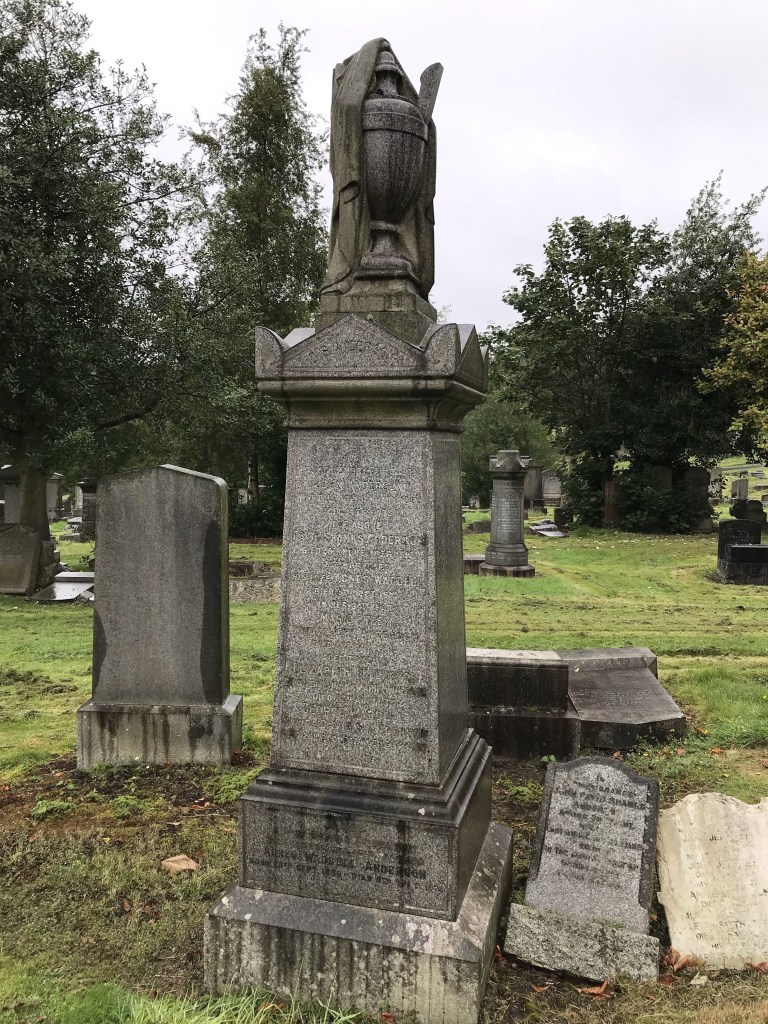
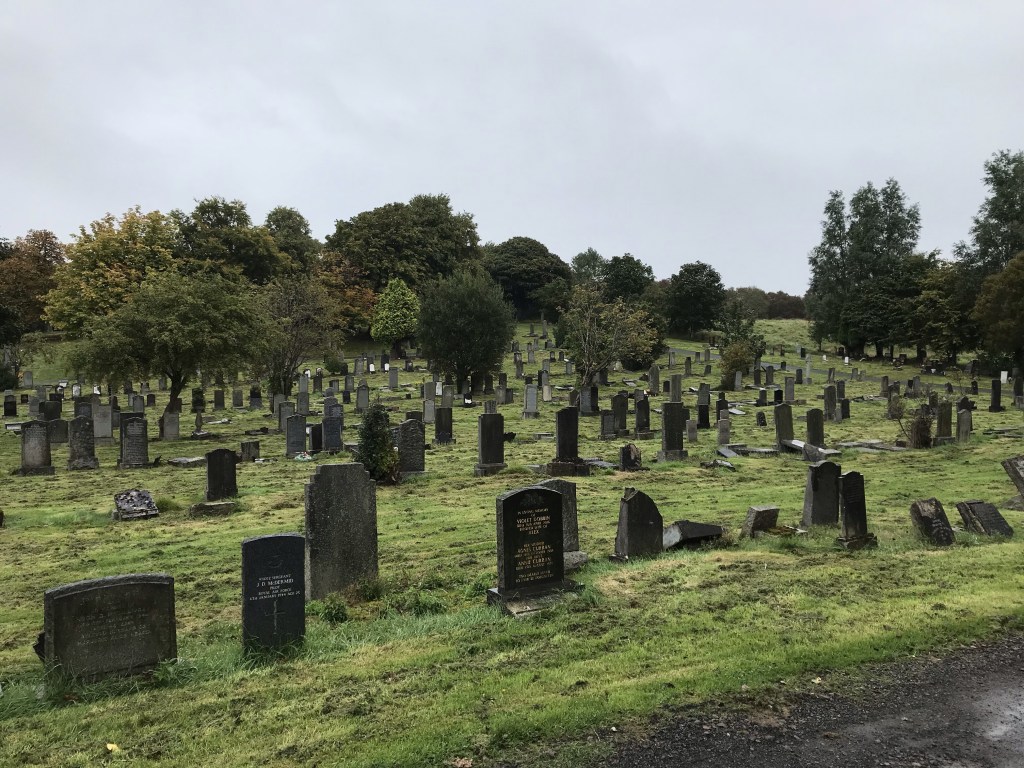
Both of these visits were almost beyond words, I know places of death are not for everyone however, visiting places like this (for me) are proving so crucial to surviving my PhD. Focusing specifically on the crematorium (and other cemeteries I have visited), the term “resting place” is not just intended for the people interred there. Memorial grounds are wonderful places of reflection. Particularly looking toward older cemeteries, these spaces were designed to also function as green space/parks, places where the living could go to reflect and enjoy nature, art and time with loved ones lost. For those of us visiting sometimes hundreds of years after the inhabitants deaths, it becomes an opportunity to reflect on past, present, and future. Focus turns from modern life’s trials for a few brief moments as you read the details of those around you; who were these people, what were their lives like, who did they leave behind? For myself, visiting a cemetery switches everything else off for a short time, instead of worrying about my PhD, I give a few brief moments to give something back to the people of history. It is said that we die two deaths, one when we physically die and again in the last time someone speaks our name. So every now and then, I find a strange comfort in putting aside my own worries to help a fellow human achieve some kind of immortality…
 Accounting for Humanity
Leave a comment